Buying a home is exciting, but it’s also one of the largest financial decisions most people will ever make. That excitement can quickly turn into anxiety when the question creeps in: How do I know I’m not overpaying for a home?
With today’s fast-moving markets, bidding wars, and varying property values, it’s natural to worry about paying too much. Fortunately, there are proven ways to evaluate a property’s value, protect yourself during negotiations, and make confident decisions that won’t leave you with buyer’s remorse.
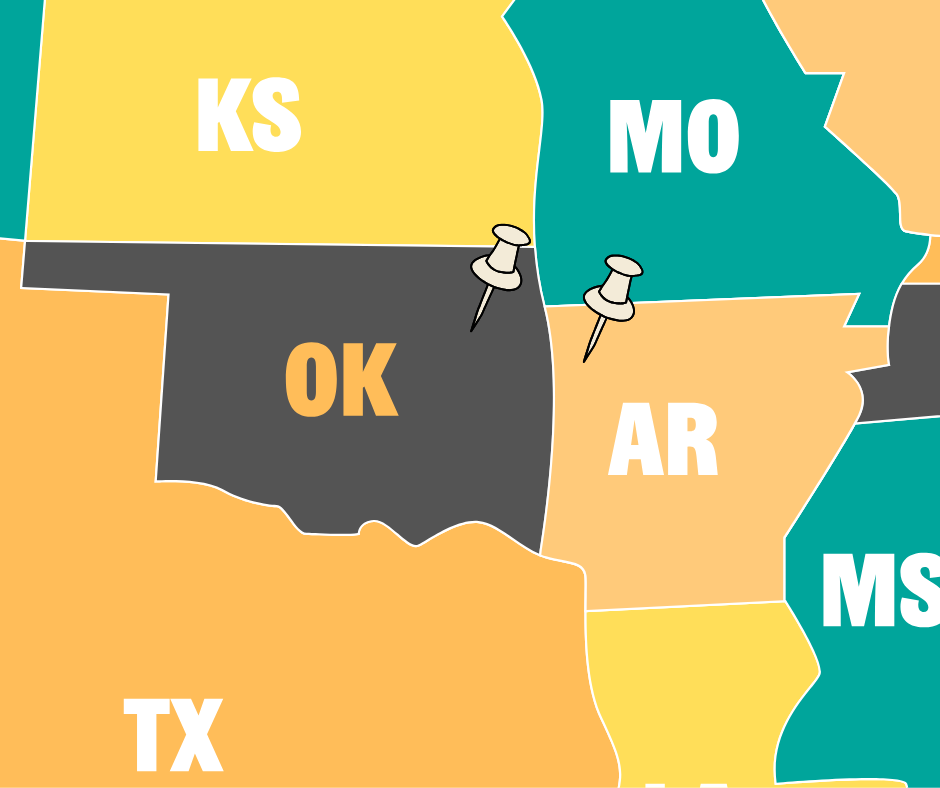
At The Smiley Team at EXIT Realty Harper Carlton Group, we help buyers across Northwest Arkansas and Northeast Oklahoma answer this question every day. Here’s a complete guide to recognizing fair pricing—and avoiding the trap of overpaying for a home.
- Why Buyers Worry About Overpaying for a Home
- Step 1: Look at Comparable Sales (Comps)
- Step 2: Pay Attention to Price per Square Foot
- Step 3: Get an Appraisal
- Step 4: Study Local Market Trends
- Step 5: Factor in the Home’s Condition
- Real-Life Example: A Buyer in Rogers, AR
- Step 6: Be Careful in Bidding Wars
- Real-Life Example: A Buyer at Grand Lake, OK
- Step 7: Think About Long-Term Value
- How a Realtor Helps You Avoid Overpaying for a home
- Real-Life Example: A Seller in Siloam Springs
- Frequently Asked Questions About Overpaying for a Home
- Why You Don’t Have to Worry With The Smiley Team
Why Buyers Worry About Overpaying for a Home
Overpaying is a common fear, especially in markets that feel unpredictable. Buyers often express concerns like:
- Fast-moving markets: Homes sell within days, leaving little time to think.
- Bidding wars: Competing buyers drive prices above asking.
- Emotional buying: Falling in love with a property can cloud judgment.
- Confusing list prices: Sellers may overprice in hopes of “testing the market.”
- Lack of knowledge: Many buyers aren’t sure how to evaluate market value.
Understanding how pricing works—and what tools you have as a buyer—is the first step to protecting your wallet.
Step 1: Look at Comparable Sales (Comps)
The foundation of determining whether you’re overpaying is comparing the home to recently sold properties of similar size, style, and location.
For example:
- If you’re looking at a 1,900 sq. ft. home in Bentonville, the most reliable comps will be other 1,800–2,000 sq. ft. homes sold in the same area within the past 90 days.
- A CMA (Comparative Market Analysis) prepared by your Realtor will show you exactly what similar homes sold for—not just what sellers are asking.
📖 Learn more: National Association of Realtors® – Research & Statistics.
Step 2: Pay Attention to Price per Square Foot
Price per square foot is another quick way to compare value, though it’s most accurate when looking at homes in the same neighborhood or subdivision.
For instance, if homes in Elm Springs average $175 per sq. ft. and you’re considering a property listed at $220 per sq. ft., you’ll want to understand why. Is the house renovated? On a larger lot? Or is it simply overpriced?
Step 3: Get an Appraisal
If you’re financing your purchase, your lender will order an appraisal. This unbiased report estimates the home’s value based on comps, condition, and location.
If the appraisal comes in lower than the purchase price, it’s a red flag that you may be overpaying. At that point, you can:
- Negotiate with the seller to reduce the price.
- Pay the difference in cash.
- Walk away from the deal.
📖 Learn more: HUD – Appraisal Guidelines.
Step 4: Study Local Market Trends
Home values are heavily influenced by market trends. Paying slightly above today’s average may still be smart if an area is growing quickly. On the other hand, overpaying in a declining market can cost you long-term equity.
- In Northwest Arkansas, areas like Bentonville and Fayetteville have seen steady appreciation due to job growth and demand.
- In Northeast Oklahoma, properties around Grand Lake often carry premiums for waterfront access, but their long-term values vary depending on location.
📖 Helpful resource: Arkansas Realtors Association and Oklahoma Association of Realtors provide local insights and updates.
Step 5: Factor in the Home’s Condition
A well-maintained home can justify a higher price, while one needing repairs may not. Inspections can uncover costly issues like:
- Foundation cracks
- Outdated electrical systems
- Roof damage
- HVAC or plumbing concerns
If significant repairs are needed, you should either negotiate a lower price or reconsider the purchase.
Real-Life Example: A Buyer in Rogers, AR
A young couple found a 2,200 sq. ft. home listed at $410,000 in Rogers. The home was beautifully staged, but their Realtor ran comps that showed similar homes selling for $360,000–$375,000.
Instead of rushing in, they made an informed offer at $370,000. The sellers accepted—saving the couple $40,000 and giving them confidence they weren’t overpaying for a home.
Step 6: Be Careful in Bidding Wars
In competitive markets, bidding wars can tempt buyers to stretch their budget. While it’s sometimes necessary to offer above asking, the key is setting a maximum limit in advance.
Some buyers use escalation clauses, which automatically raise their offer in set increments up to a cap. This keeps them competitive without blindly overpaying for a home.
Real-Life Example: A Buyer at Grand Lake, OK
A relocating family fell in love with a $650,000 lakefront home. Their emotions said “buy it now,” but their Realtor checked comps first. Similar properties had sold between $580,000–$600,000.
They made a data-backed offer at $595,000, which the sellers accepted. By avoiding impulse, they saved $55,000, secured a fair price, and avoided overpaying for a home.
Step 7: Think About Long-Term Value
Sometimes, paying slightly more for the right location makes sense—if the property is likely to appreciate. Proximity to schools, job centers, or new development can drive values up over time.
Conversely, overpaying for a home in a declining neighborhood may mean you struggle to resell without losing money.
📖 Tip: Check Consumer Financial Protection Bureau’s homebuyer resources for tools on evaluating affordability and value.
How a Realtor Helps You Avoid Overpaying for a home
A skilled Realtor is your best defense against overpaying. They provide:
- A detailed Comparative Market Analysis
- Guidance on negotiation and strategy
- Knowledge of local trends and red flags
- Advice on long-term value and resale potential
- Strong representation in bidding wars
At The Smiley Team at EXIT Realty Harper Carlton Group, we use a data-driven approach combined with deep local expertise to make sure you never feel uncertain about whether you’re overpaying for a home.
Real-Life Example: A Seller in Siloam Springs
Overpaying can happen on the seller’s side, too—if you purchase a home at the wrong price point, you may struggle to build equity. A family in Siloam Springs purchased at a peak without reviewing comps. When they tried to sell two years later, they discovered their home’s value hadn’t caught up with what they paid.
This example underscores the importance of working with an experienced Realtor who knows the market and can guide you toward a price that holds long-term value.
Frequently Asked Questions About Overpaying for a Home
1. How do I know if a house is overpriced?
Compare recent comps, price per square foot, and appraisal value. If the price is significantly higher than similar homes, it may be overpriced.
2. Is it possible to overpay in a hot market?
Yes. Competition can inflate prices beyond market value. A Realtor can help set boundaries so you don’t get caught up in bidding frenzy.
3. Will the bank stop me from overpaying?
Not exactly. A low appraisal might prevent the lender from covering the full amount, but you can still choose to pay extra cash if you want the home.
4. What role does an inspection play in avoiding overpayment?
Inspections reveal hidden costs. A home that seems fairly priced may require $20,000 in repairs—making it effectively overpriced.
5. Should I ever pay above appraised value?
Sometimes. If it’s a unique property, in a highly desirable location, or expected to appreciate quickly, paying a little extra may make sense. The key is knowing where to draw the line.
6. How do I protect myself from overpaying in Arkansas or Oklahoma?
Work with a local Realtor who understands the market. State associations like the Arkansas Realtors Association and Oklahoma Association of Realtors also provide housing data that can help guide decisions.
Why You Don’t Have to Worry With The Smiley Team
With The Smiley Team at EXIT Realty Harper Carlton Group, you don’t have to worry about overpaying for a home. Our process includes running detailed market analyses, providing honest guidance, and negotiating with your best interests in mind. From starter homes in Bentonville to vacation cabins on Grand Lake, we’ll help you make smart, informed choices that align with both your budget and your future goals.
Learn more about the smiley team here!
Free Home Analysis
On My Site (no one else gets your info or sells it!)